Many individuals face obstacles in their weight loss journey. If you find yourself stuck or frustrated, you can make a significant change. This article provides steps to help you turn your situation around.
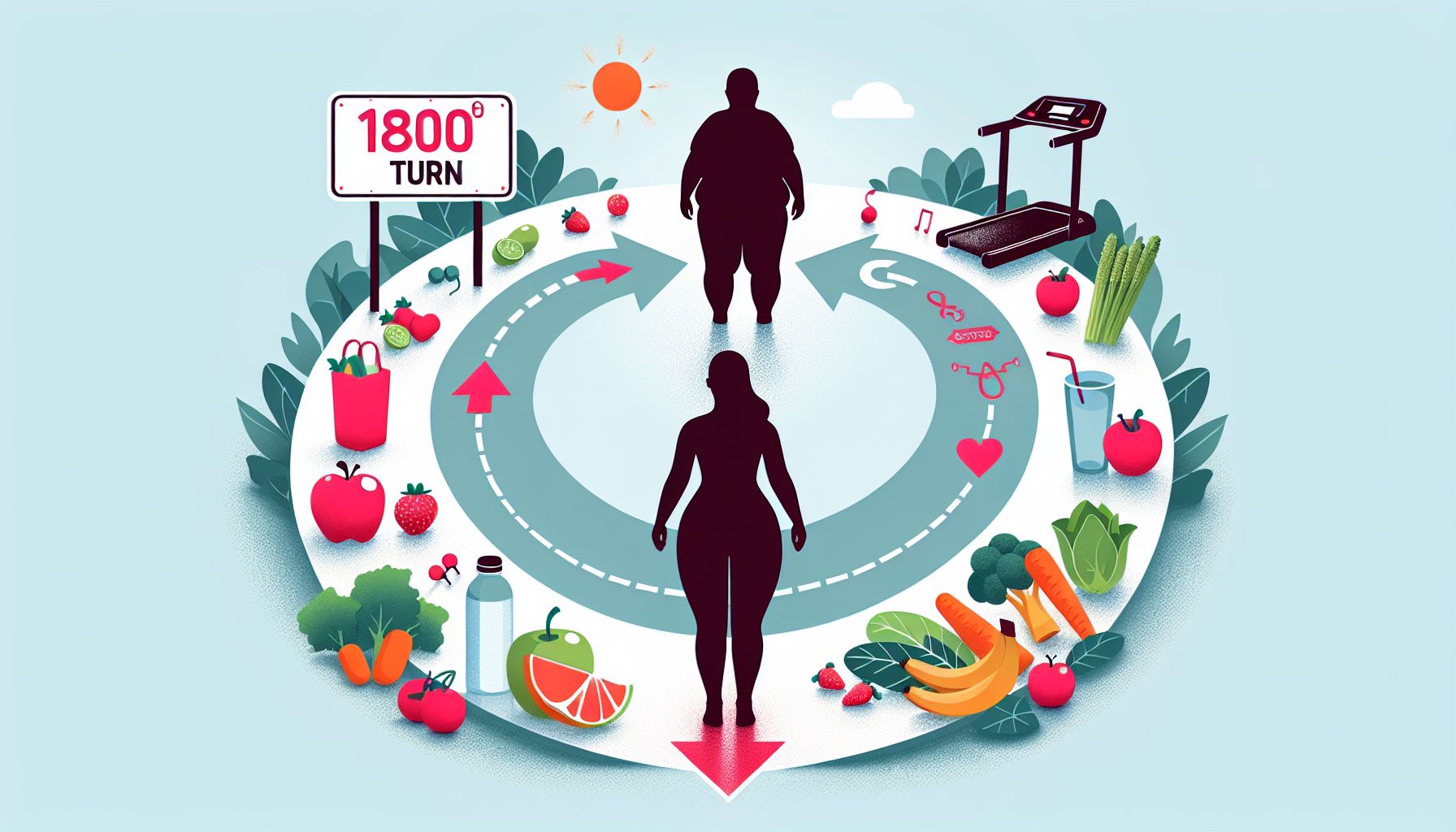
Assess Your Current Situation
Begin by evaluating where you currently stand. Record your weight, body measurements, and fitness levels. Write down everything you eat for a week. This record helps identify patterns and areas for improvement.
Next, assess your mental and emotional state. Ask yourself why you want to lose weight. Write down your motivations. Knowing your “why” establishes a strong foundation for change.
Set Clear Goals
Now that you understand your starting point, set measurable goals. Avoid vague goals like “I want to lose weight.” Instead, aim for specific targets. For example, “I will lose 10 pounds in two months.” Clear goals offer focus and motivation.
Make your goals SMART: Specific, Measurable, Achievable, Relevant, and Time-bound. This framework helps you stay on track.
Change Your Mindset
A positive mindset is crucial. Shift your thinking from “I can’t” to “I can.” Embrace the idea that change is possible. Challenge negative thoughts and replace them with empowering affirmations.
Surround yourself with supportive people. Share your goals with family and friends. Their encouragement reinforces your commitment.
Revamp Your Diet
Your food choices play a vital role in your weight loss journey. Start with small, manageable changes. Replace sugary drinks with water. Include more fruits and vegetables in your meals.
Avoid extreme diets. Instead, focus on balanced, nutritious foods. Choose whole grains, lean proteins, and healthy fats. These choices fuel your body and keep you satisfied.
Consider meal prepping for the week. This tactic reduces stress during busy days and helps you stick to your goals.
Incorporate Physical Activity
Exercise is essential for weight loss. Find activities you enjoy to ensure consistency. Aim for at least 150 minutes of moderate aerobic activity each week. This can include walking, biking, swimming, or dancing.
Strength training also benefits weight loss. Include it in your routine at least twice a week. Building muscle helps boost your metabolism and burn more calories.
Start slow and gradually increase intensity. Listen to your body and avoid overexertion.
Track Your Progress
Monitoring your progress keeps you engaged and motivated. Weigh yourself weekly, but also take note of non-scale victories. These include improved energy levels, better sleep, and increased stamina.
Consider using a journal or app to track your food intake and exercise. Regularly reviewing your progress helps identify areas needing adjustment.
Celebrate Small Wins
Acknowledge and celebrate your successes, no matter how small. Did you lose a pound? Reward yourself with a non-food treat like a new workout outfit. Celebrating small milestones fuels further motivation.
Recognizing your efforts shows you that progress is happening. This reinforces your commitment to your plan.
Seek Professional Guidance
If you feel overwhelmed or unsure, consider seeking help from a professional. A registered dietitian or a personal trainer can provide personalized advice and support. They can guide you through this journey with tailored strategies.
Consulting professionals adds accountability and expertise.
Stay Flexible
Your weight loss journey may have ups and downs. Be prepared for setbacks and adjustments. If you hit a plateau, don’t get discouraged. Reassess your goals and strategies.
Flexibility allows for growth and improvement. Remember that this journey is a marathon, not a sprint.
Build a Support System
Having a solid support system is crucial. Consider joining a support group or finding a workout buddy. Sharing experiences with others makes the journey easier and more enjoyable.
Ask friends and family to join your workouts or meal prepping sessions. This accountability helps keep you on track.
Keep Your Motivation Alive
To sustain motivation, find inspiration daily. Follow blogs or social media accounts that share weight loss journeys and tips. Engage with content that excites you.
Visual reminders can also help. Create a vision board with photos and quotes that inspire you. Place it where you can see it daily.
Resources for Continued Guidance
Refer to trusted websites for additional tips and insights. Websites like ChooseMyPlate.gov, NHLBI.nih.gov, and CDC.gov offer valuable information on nutrition and health.
For comprehensive strategies about weight loss, check out Men’s Health. Their articles provide practical advice for achieving your fitness goals.
Conclusion
Making a 180° turn in your weight loss journey is achievable. Assess your situation, set clear goals, change your mindset, and revamp your diet. Incorporate physical activity, monitor your progress, and celebrate your wins.
Seek help when needed and build a supportive network. Stay flexible and find ways to keep your motivation alive. With dedication and the right strategies, you can achieve your weight loss goals.