
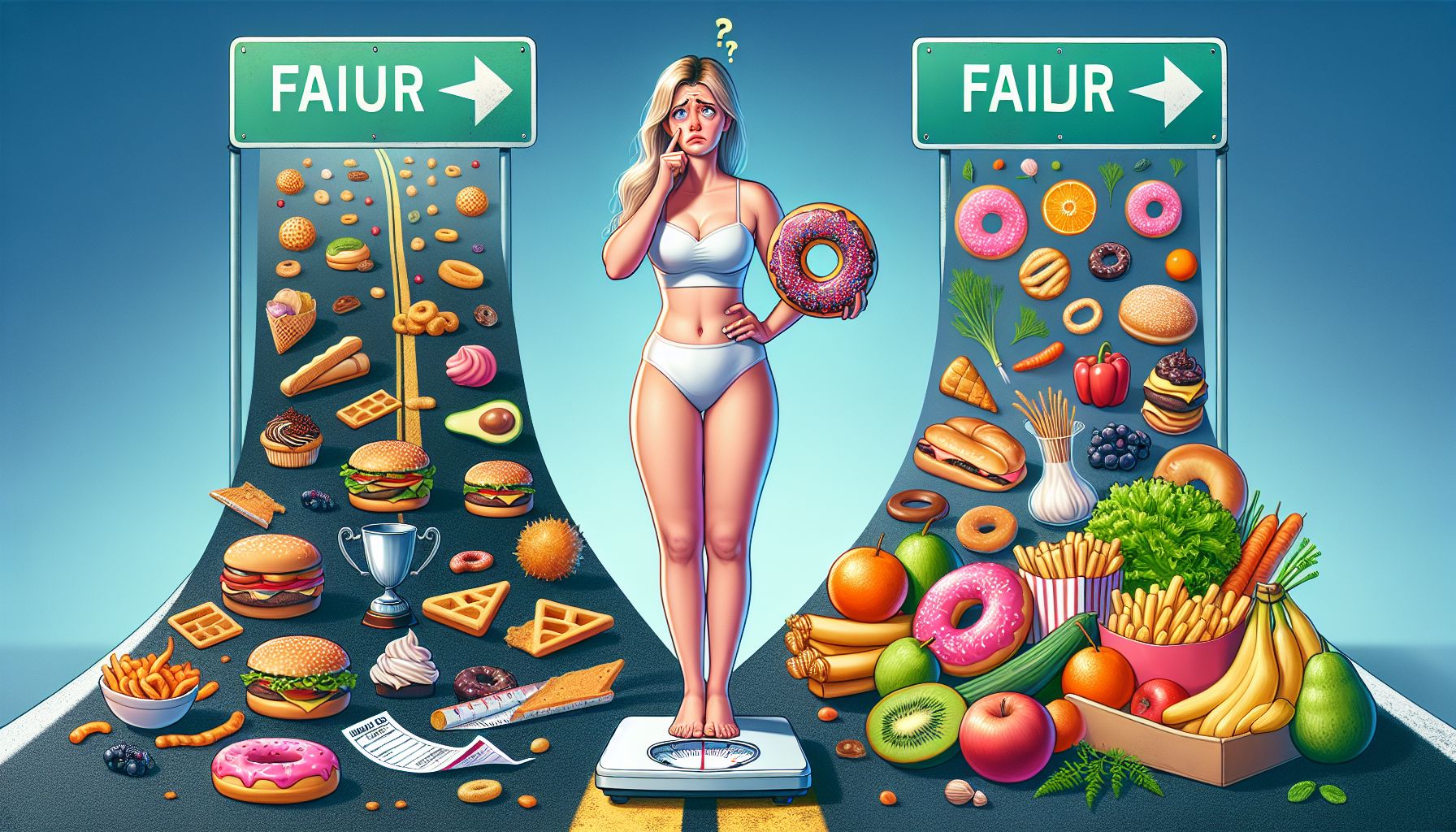
Diets often don’t work. Many people start with enthusiasm but find themselves frustrated after a few weeks. Understanding why diets fail can help you find solutions that lead to lasting results.
Common Reasons Diets Fail
Unrealistic Goals
Many people set goals that are too high. They expect to lose a lot of weight in a short time. This creates pressure and often leads to disappointment. Gradual weight loss is more sustainable. Aim for 1-2 pounds a week for healthy results.
Restrictive Eating
Restrictive diets limit food choices significantly. When people cannot enjoy their favorite foods, they often give up. A balanced approach allows for indulgence in moderation. This way, you can follow a plan that feels fulfilling instead of punishing.
Lack of Support
Going on a diet alone can be overwhelming. Support from family and friends helps you stay on track. Consider joining a weight loss group or working with a professional. Having someone to share successes and challenges makes the process easier.
Ignoring Lifestyle
Many diets do not consider personal lifestyle. A diet that is too complicated may not fit into your daily routine. Look for methods that align with your habits and schedule. Quick, easy meals are more realistic for busy individuals.
Emotional Eating
Stress and emotions can lead to overeating. Many people eat to cope with feelings. Identifying triggers is key. When you recognize emotional eating patterns, you can find other ways to deal with those emotions.
Lack of Physical Activity
Diet alone is often not enough. Regular exercise is important for maintaining a healthy weight. Find activities you enjoy. This may include walking, swimming, or dancing. The fun aspect keeps you motivated.
Turning Things Around
Set Realistic Goals
Start by setting small, achievable goals. These can boost your confidence and keep you motivated. For example, focus on losing 5% of your body weight at first. Celebrate these milestones to build momentum.
Embrace Balanced Eating
Instead of banning foods, focus on balanced eating. Fill your plate with vegetables, lean proteins, and whole grains. Allow for treats occasionally. This approach fosters a healthy relationship with food.
Seek Support
Connect with others who share similar goals. Friends and family can offer motivation and accountability. Online forums and social media groups also provide community support. Sharing your journey makes it more enjoyable.
Find Your Fit
Choose a diet that works for your lifestyle. Consider how much time you have to prepare meals and how often you can plan ahead. Tools like meal prep and simple recipes can help you stick to your plan.
Manage Stress
Identify your stress triggers. When you feel the urge to eat due to stress, take a moment. Consider alternatives such as exercise or hobbies. These activities can distract you from emotional eating.
Incorporate Activity
Set aside time for physical activity. Aim for at least 150 minutes a week of moderate exercise. Incorporate activities that you enjoy. It’s easier to stay consistent when you look forward to your workouts.
Examples of Successful Approaches
The Mediterranean Diet
The Mediterranean diet focuses on whole foods. It includes fruits, vegetables, and healthy fats. Research shows this diet can lead to weight loss and improved health markers. Many find it easy to stick with over the long term.
Mindful Eating
Mindful eating encourages awareness during meals. It shifts focus from the food to the experience of eating. Paying attention can reduce overeating and boost enjoyment. This method can help you appreciate your food more and recognize when you are full.
Flexible Dieting
Flexible dieting allows you to eat what you love. You track your calorie intake, but not all foods are off-limits. This freedom can lead to better adherence. The key is to ensure you meet nutritional needs while enjoying treats.
Practical Tips for Lasting Change
-
Plan Meals: Schedule your meals ahead of time. This helps avoid impulsive decisions when you’re hungry.
-
Stay Hydrated: Drink plenty of water throughout the day. Sometimes, thirst can be mistaken for hunger.
-
Portion Control: Be mindful of portion sizes. Use smaller plates to help manage servings without feeling deprived.
-
Regular Weigh-Ins: Track your weight weekly or biweekly. This keeps you accountable without obsessing over daily fluctuations.
-
Keep a Journal: Write down your food intake, feelings, and successes. This can provide important insights into your habits and progress.
-
Celebrate Small Wins: Recognize and celebrate progress, no matter how small. This builds motivation and encourages long-term commitment.
Conclusion
Diets often fail for various reasons, but you can turn things around. Set realistic goals, embrace balanced eating, and seek support. Find an approach that fits your lifestyle. Incorporate activity and manage stress effectively. Create sustainable habits for lasting weight loss success.
For more tips on healthy eating, visit NHS Healthy Eating. Remember, weight loss is a journey, not a destination.
Recommended Resources
- American Heart Association for heart-healthy eating tips.
- Centers for Disease Control and Prevention for information on healthy weight management.
- National Institute of Diabetes and Digestive and Kidney Diseases for research and strategies on weight loss and health.