All posts by Peggy Scott

Why Most Diets Fail and How to Finally Turn Things Around

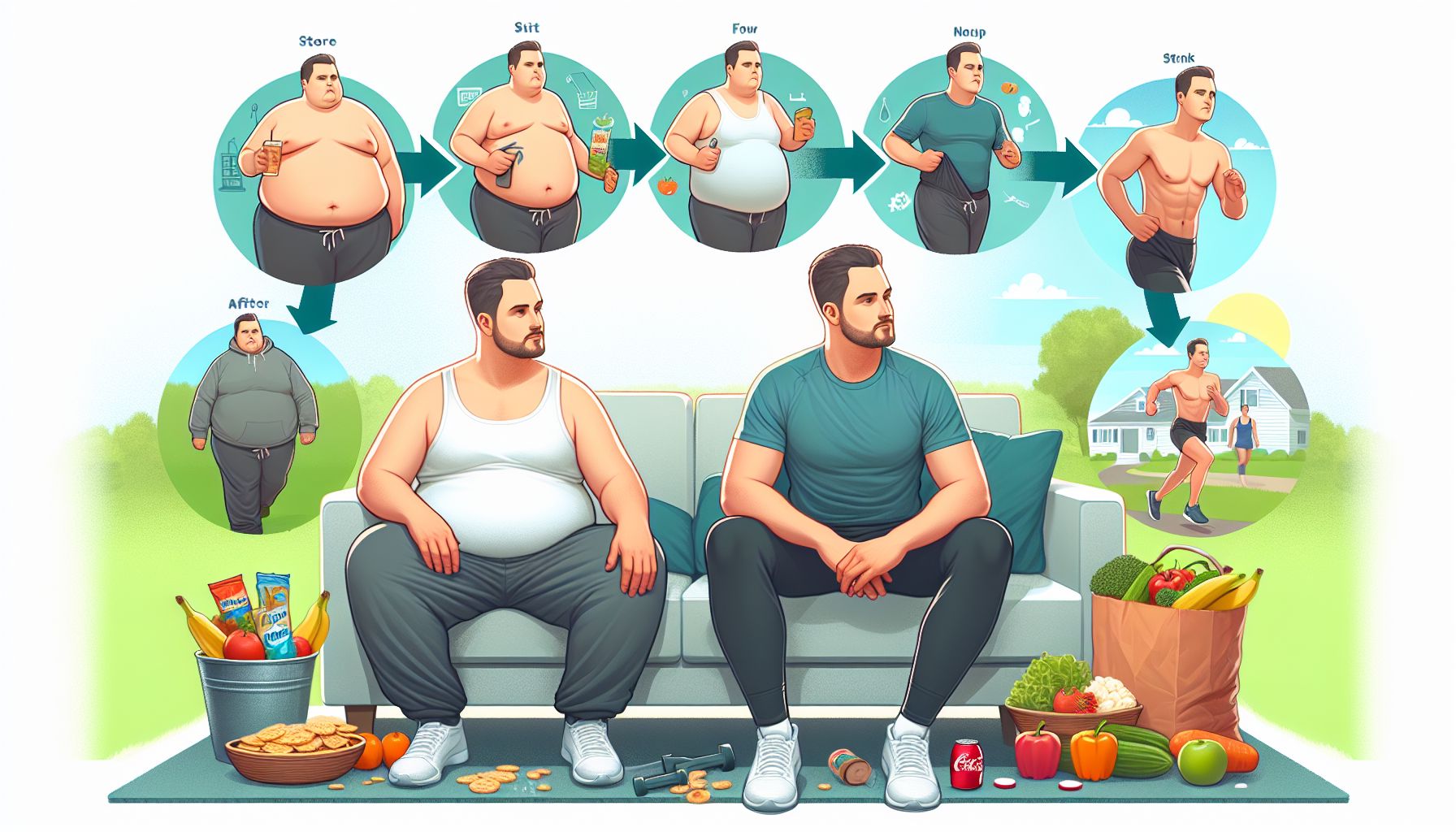
Diets often don’t work. Many people start with enthusiasm but find themselves frustrated after a few weeks. Understanding why diets fail can help you find solutions that lead to lasting results.

Common Reasons Diets Fail

Unrealistic Goals

Many people set goals that are too high. They expect to lose a lot of weight in a short time. This creates pressure and often leads to disappointment. Gradual weight loss is more sustainable. Aim for 1-2 pounds a week for healthy results.

Restrictive Eating

Restrictive diets limit food choices significantly. When people cannot enjoy their favorite foods, they often give up. A balanced approach allows for indulgence in moderation. This way, you can follow a plan that feels fulfilling instead of punishing.

Lack of Support

Going on a diet alone can be overwhelming. Support from family and friends helps you stay on track. Consider joining a weight loss group or working with a professional. Having someone to share successes and challenges makes the process easier.

Ignoring Lifestyle

Many diets do not consider personal lifestyle. A diet that is too complicated may not fit into your daily routine. Look for methods that align with your habits and schedule. Quick, easy meals are more realistic for busy individuals.

Emotional Eating

Stress and emotions can lead to overeating. Many people eat to cope with feelings. Identifying triggers is key. When you recognize emotional eating patterns, you can find other ways to deal with those emotions.

Lack of Physical Activity

Diet alone is often not enough. Regular exercise is important for maintaining a healthy weight. Find activities you enjoy. This may include walking, swimming, or dancing. The fun aspect keeps you motivated.

Turning Things Around

Set Realistic Goals

Start by setting small, achievable goals. These can boost your confidence and keep you motivated. For example, focus on losing 5% of your body weight at first. Celebrate these milestones to build momentum.

Embrace Balanced Eating

Instead of banning foods, focus on balanced eating. Fill your plate with vegetables, lean proteins, and whole grains. Allow for treats occasionally. This approach fosters a healthy relationship with food.

Seek Support

Connect with others who share similar goals. Friends and family can offer motivation and accountability. Online forums and social media groups also provide community support. Sharing your journey makes it more enjoyable.

Find Your Fit

Choose a diet that works for your lifestyle. Consider how much time you have to prepare meals and how often you can plan ahead. Tools like meal prep and simple recipes can help you stick to your plan.

Manage Stress

Identify your stress triggers. When you feel the urge to eat due to stress, take a moment. Consider alternatives such as exercise or hobbies. These activities can distract you from emotional eating.

Incorporate Activity

Set aside time for physical activity. Aim for at least 150 minutes a week of moderate exercise. Incorporate activities that you enjoy. It’s easier to stay consistent when you look forward to your workouts.

Examples of Successful Approaches

The Mediterranean Diet

The Mediterranean diet focuses on whole foods. It includes fruits, vegetables, and healthy fats. Research shows this diet can lead to weight loss and improved health markers. Many find it easy to stick with over the long term.

Mindful Eating

Mindful eating encourages awareness during meals. It shifts focus from the food to the experience of eating. Paying attention can reduce overeating and boost enjoyment. This method can help you appreciate your food more and recognize when you are full.

Flexible Dieting

Flexible dieting allows you to eat what you love. You track your calorie intake, but not all foods are off-limits. This freedom can lead to better adherence. The key is to ensure you meet nutritional needs while enjoying treats.

Practical Tips for Lasting Change

  1. Plan Meals: Schedule your meals ahead of time. This helps avoid impulsive decisions when you’re hungry.

  2. Stay Hydrated: Drink plenty of water throughout the day. Sometimes, thirst can be mistaken for hunger.

  3. Portion Control: Be mindful of portion sizes. Use smaller plates to help manage servings without feeling deprived.

  4. Regular Weigh-Ins: Track your weight weekly or biweekly. This keeps you accountable without obsessing over daily fluctuations.

  5. Keep a Journal: Write down your food intake, feelings, and successes. This can provide important insights into your habits and progress.

  6. Celebrate Small Wins: Recognize and celebrate progress, no matter how small. This builds motivation and encourages long-term commitment.

Conclusion

Diets often fail for various reasons, but you can turn things around. Set realistic goals, embrace balanced eating, and seek support. Find an approach that fits your lifestyle. Incorporate activity and manage stress effectively. Create sustainable habits for lasting weight loss success.

For more tips on healthy eating, visit NHS Healthy Eating. Remember, weight loss is a journey, not a destination.

Healthy Eating

Recommended Resources

The Mindset Shift You Need for a 180° Weight Loss Transformation

Achieving a weight loss transformation requires more than diet and exercise. It requires a shift in mindset. Your thoughts, beliefs, and feelings shape your actions. A positive mindset can drive you toward success. This article breaks down essential components of this mindset shift, allowing you to transform your weight loss journey.

Understanding the Importance of Mindset

Mindset plays a crucial role in weight loss. It determines how you approach challenges and setbacks. A positive mindset helps you remain focused on your goals. Conversely, a negative mindset can lead to doubts and fear. Change your thoughts to change your outcomes.

Setting Clear Goals

Set clear and achievable goals. Define what weight loss means to you. Use specific measurements, such as pounds lost or dress sizes changed. Write down your goals. This act makes them more tangible. Keep your goals realistic to stay motivated. Aiming for a modest weight loss, like one to two pounds a week, fosters a sense of achievement.

Embracing a Growth Mindset

Adopt a growth mindset. This mindset sees challenges as opportunities to learn. Instead of viewing setbacks as failures, consider them as lessons. When you experience difficulties, assess what went wrong. Adjust your plan accordingly. This approach builds resilience and keeps you moving forward.

Focusing on Progress, Not Perfection

Shift your focus from perfection to progress. Aim for consistent improvements rather than drastic changes. Celebrate small wins, such as choosing a healthy snack or completing a workout. Acknowledging these steps keeps motivation high.

Cultivating Self-Compassion

Practice self-compassion. Treat yourself with kindness during your weight loss journey. Understand that mistakes happen. Instead of criticizing yourself, encourage and support yourself. This approach reduces stress and promotes long-term success.

Building a Support System

Surround yourself with supportive people. Find a group or a partner who shares similar goals. This support creates accountability. It is easier to stay motivated when you have others cheering you on. Share your experiences, challenges, and successes with them.

Changing Your Environment

Modify your environment to support your goals. Remove temptations from your home, such as junk food. Stock your kitchen with healthy options. Create an environment that encourages healthy choices. When your surroundings support your weight loss mindset, it becomes easier to stay on track.

Developing Healthy Habits

Focus on developing healthy habits. Incorporate regular exercise into your routine. Choose activities you enjoy. This will make it easier to stick with them. Also, prioritize balanced meals that nourish your body. Create a meal plan to simplify your grocery shopping. Meal prep saves time and helps you avoid unhealthy choices.

Understanding Triggers

Identify your triggers for unhealthy eating. Stress, boredom, or social situations can lead to overeating. Recognize these patterns and develop strategies to address them. For example, if stress triggers cravings, practice relaxation techniques. Deep breathing, yoga, or meditation can help you cope better.

Using Positive Affirmations

Incorporate positive affirmations into your daily routine. Repeat encouraging phrases to reinforce your commitment. Examples include, “I am capable of change” or “I can achieve my goals.” Affirmations shift your mindset and strengthen your belief in yourself.

Tracking Your Progress

Keep a journal of your weight loss journey. Write down your food intake, emotions, and achievements. Tracking your progress provides insight. It helps you identify patterns and make necessary adjustments. Celebrate milestones, no matter how small. This reinforces your commitment and keeps you motivated.

Finding Inspiration

Seek inspiration from others. Read success stories or join online communities. Hearing how others overcame obstacles can boost your morale. Learning about various weight loss journeys can offer new strategies to implement in your own life. Explore resources like the Know Diabetes blog to find tips and motivation for your weight loss journey.

Maintaining Patience

Practice patience. Weight loss takes time. Understand that sustainable change does not happen overnight. Recognize that plateaus are normal. These moments do not indicate failure. Stay committed and trust the process.

Consistency Over Intensity

Prioritize consistency over intensity. It’s better to exercise regularly than to push too hard and burn out. Develop a schedule you can maintain. Small, consistent efforts lead to lasting change. Enjoy the journey instead of rushing to the finish line.

Celebrating Non-Scale Victories

Celebrate non-scale victories. Weight loss is not solely about numbers. Acknowledge improvements in energy levels, mood, or fitness. Take note of how clothes fit differently or how your choices impact your life. This broader perspective keeps you motivated and engaged.

The Role of Mindfulness

Practice mindfulness. Being present can help you make better food choices. Pay attention to hunger and fullness cues. Eat slowly and savor your meals. This habit promotes healthier eating and reduces overeating.

Overcoming Negative Self-Talk

Identify and challenge negative self-talk. Pay attention to the thoughts that hinder your progress. When negative thoughts arise, counter them with positive statements. For instance, replace “I can’t do this” with “I am making progress every day.” This shift creates a supportive inner dialogue.

Seeking Professional Guidance

If needed, seek professional guidance. Collaborate with a nutritionist or a personal trainer. These experts provide tailored advice and support. They can help you understand better ways to achieve your goals. Don’t hesitate to ask for help when necessary.

The Power of Reflection

Set aside time for reflection. Regularly evaluate your goals and strategies. Determine what works and what needs adjustment. Learning from your experiences allows for continued growth.

Conclusion

Transforming your weight loss approach requires a significant mindset shift. By focusing on clear goals, cultivating self-compassion, and developing healthy habits, you set the stage for success. Remember, it is a journey, not a race. Change your thoughts to change your life. Embrace the process, and the results will follow. For more inspiration, check out stories on WebMD and Healthline to enhance your understanding and keep you inspired as you embark on this journey.

From Stuck to Slim: How to Turn Your Weight Around Fast

Many people feel stuck in their weight loss journey. Changing habits can seem impossible. However, with the right strategies, you can turn your weight around quickly. This article provides clear steps you can follow to achieve your weight loss goals.

Understand Your Current Situation

Before making changes, assess where you are. Keep a food diary for a week. Write down everything you eat and drink. This record helps you identify patterns and problem areas. You may notice extra snacks or larger portions. Recognizing your habits is the first step to change.

Set Clear and Achievable Goals

Creating specific goals is crucial. Instead of saying, “I want to lose weight,” set a clear target. Aim to lose 5 pounds in a month or fit into a specific size of jeans. Having defined goals provides direction and motivation.

Example Goals:

  • Lose 1-2 pounds per week
  • Walk 10,000 steps daily
  • Eat 3 servings of vegetables each day

Plan Your Meals

Planning meals helps avoid unhealthy choices. Decide what you will eat for the week. Create a grocery list based on your plan. Include healthy foods such as fruits, vegetables, lean proteins, and whole grains. Preparing meals at home is often healthier than eating out.

Healthy Meal Prep

Focus on Nutrition

To lose weight, you must eat fewer calories than you burn. However, it’s also important to eat a balanced diet. A focus on nutrition can help you feel full and satisfied. Include a variety of foods in your meals.

Key Nutritional Tips:

  • Choose whole foods over processed foods.
  • Limit added sugars and saturated fats.
  • Stay hydrated with water instead of sugary drinks.

Incorporate Physical Activity

Exercise plays a vital role in weight loss. Aim for at least 150 minutes of moderate aerobic activity each week. Activities can include walking, cycling, or swimming. Strength training is also important. Try to incorporate it twice a week. It can increase muscle mass, which helps burn more calories.

Fun Ways to Move:

  • Join a dance class.
  • Take a hike with friends.
  • Try a new sport.

Stay Consistent

Consistency is key to weight loss. Stick to your meal plan and exercise schedule. It’s normal to have setbacks. If you miss a workout or indulge in a treat, don’t get discouraged. Acknowledge the slip-up and move forward.

Seek Support

Having support can make a big difference. Share your goals with friends or family. Consider joining a weight loss group or online community. Encouragement from others can help you stay motivated.

You might also want to follow expert tips from websites like WebMD and Mayo Clinic.

Track Your Progress

Monitor your weight regularly but don’t obsess over the scale. Take measurements and note how your clothes fit. Celebrate your non-scale victories, such as increased energy or improved mood. This will keep you motivated.

Change Your Mindset

Our mental state influences our weight loss. Work on developing a positive mindset. Replace negative thoughts with encouraging ones. Remind yourself of your achievements and how far you’ve come.

Techniques to Improve Mindset:

  • Practice gratitude daily.
  • Use positive affirmations.
  • Visualize your goals.

Consider Professional Help

If you find it challenging to lose weight, consider professional guidance. A registered dietitian can provide personalized advice. A therapist can help address emotional eating. You may also explore medical options like weight loss surgery. For tips related to that, check out the information on Ramsay Health.

Prepare for Challenges

Anticipate obstacles on your weight loss journey. Social events, stress, and time constraints can derail your efforts. Plan ahead for these challenges. Bring healthy snacks to gatherings. Find ways to cope with stress that don’t involve food.

Celebrate Successes

Reward yourself for achieving milestones. Celebrate non-food rewards, such as a new workout outfit or a day off to relax. Recognizing success reinforces positive behavior and keeps you motivated.

Conclusion

Turning your weight around quickly is entirely possible. Understand your habits, set clear goals, plan meals, and stay active. Monitor your progress and change your mindset. Don’t hesitate to seek help if needed. Remember, each small step leads to significant changes. Start your journey today and see how far you can go.

How to Make a 180° Turn in Your Weight Loss Journey

Many individuals face obstacles in their weight loss journey. If you find yourself stuck or frustrated, you can make a significant change. This article provides steps to help you turn your situation around.

Weight Loss Journey

Assess Your Current Situation

Begin by evaluating where you currently stand. Record your weight, body measurements, and fitness levels. Write down everything you eat for a week. This record helps identify patterns and areas for improvement.

Next, assess your mental and emotional state. Ask yourself why you want to lose weight. Write down your motivations. Knowing your “why” establishes a strong foundation for change.

Set Clear Goals

Now that you understand your starting point, set measurable goals. Avoid vague goals like “I want to lose weight.” Instead, aim for specific targets. For example, “I will lose 10 pounds in two months.” Clear goals offer focus and motivation.

Make your goals SMART: Specific, Measurable, Achievable, Relevant, and Time-bound. This framework helps you stay on track.

Change Your Mindset

A positive mindset is crucial. Shift your thinking from “I can’t” to “I can.” Embrace the idea that change is possible. Challenge negative thoughts and replace them with empowering affirmations.

Surround yourself with supportive people. Share your goals with family and friends. Their encouragement reinforces your commitment.

Revamp Your Diet

Your food choices play a vital role in your weight loss journey. Start with small, manageable changes. Replace sugary drinks with water. Include more fruits and vegetables in your meals.

Avoid extreme diets. Instead, focus on balanced, nutritious foods. Choose whole grains, lean proteins, and healthy fats. These choices fuel your body and keep you satisfied.

Consider meal prepping for the week. This tactic reduces stress during busy days and helps you stick to your goals.

Incorporate Physical Activity

Exercise is essential for weight loss. Find activities you enjoy to ensure consistency. Aim for at least 150 minutes of moderate aerobic activity each week. This can include walking, biking, swimming, or dancing.

Strength training also benefits weight loss. Include it in your routine at least twice a week. Building muscle helps boost your metabolism and burn more calories.

Start slow and gradually increase intensity. Listen to your body and avoid overexertion.

Track Your Progress

Monitoring your progress keeps you engaged and motivated. Weigh yourself weekly, but also take note of non-scale victories. These include improved energy levels, better sleep, and increased stamina.

Consider using a journal or app to track your food intake and exercise. Regularly reviewing your progress helps identify areas needing adjustment.

Celebrate Small Wins

Acknowledge and celebrate your successes, no matter how small. Did you lose a pound? Reward yourself with a non-food treat like a new workout outfit. Celebrating small milestones fuels further motivation.

Recognizing your efforts shows you that progress is happening. This reinforces your commitment to your plan.

Seek Professional Guidance

If you feel overwhelmed or unsure, consider seeking help from a professional. A registered dietitian or a personal trainer can provide personalized advice and support. They can guide you through this journey with tailored strategies.

Consulting professionals adds accountability and expertise.

Stay Flexible

Your weight loss journey may have ups and downs. Be prepared for setbacks and adjustments. If you hit a plateau, don’t get discouraged. Reassess your goals and strategies.

Flexibility allows for growth and improvement. Remember that this journey is a marathon, not a sprint.

Build a Support System

Having a solid support system is crucial. Consider joining a support group or finding a workout buddy. Sharing experiences with others makes the journey easier and more enjoyable.

Ask friends and family to join your workouts or meal prepping sessions. This accountability helps keep you on track.

Keep Your Motivation Alive

To sustain motivation, find inspiration daily. Follow blogs or social media accounts that share weight loss journeys and tips. Engage with content that excites you.

Visual reminders can also help. Create a vision board with photos and quotes that inspire you. Place it where you can see it daily.

Resources for Continued Guidance

Refer to trusted websites for additional tips and insights. Websites like ChooseMyPlate.gov, NHLBI.nih.gov, and CDC.gov offer valuable information on nutrition and health.

For comprehensive strategies about weight loss, check out Men’s Health. Their articles provide practical advice for achieving your fitness goals.

Conclusion

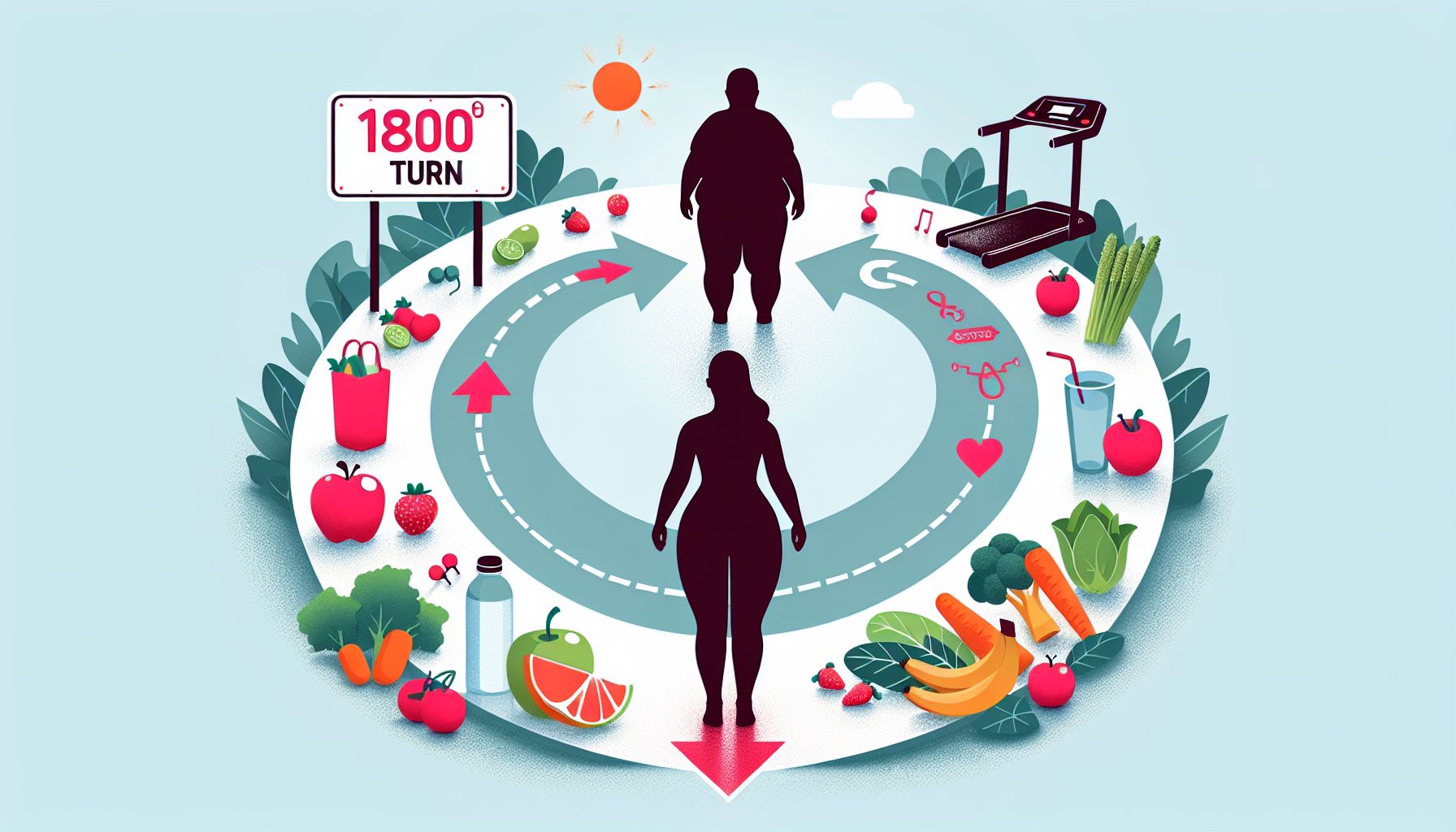
Making a 180° turn in your weight loss journey is achievable. Assess your situation, set clear goals, change your mindset, and revamp your diet. Incorporate physical activity, monitor your progress, and celebrate your wins.

Seek help when needed and build a supportive network. Stay flexible and find ways to keep your motivation alive. With dedication and the right strategies, you can achieve your weight loss goals.

The Complete Guide to Transforming Your Body and Losing Weight for Good

Losing weight is a common goal for many people. This guide offers clear steps to help you transform your body and keep the weight off for good. By following a simple plan, you can achieve your fitness objectives.

Understanding Weight Loss

Weight loss occurs when you burn more calories than you consume. To lose weight effectively, you need to create a calorie deficit. This means cutting back on calorie intake while increasing calorie burning. Understanding this principle helps you grasp how your body works in relation to weight loss.

Set Clear Goals

Start by defining your weight loss goals. Choose a realistic target, such as losing 1-2 pounds per week. Write down your goals to create accountability. Having clear goals helps you stay focused and motivated.

Assess Your Current Diet

Review your current eating habits. Keep a food diary for a week to identify eating patterns. Note what foods and drinks you consume, along with portion sizes. This assessment helps you uncover areas where you can make healthier choices.

Create a Balanced Meal Plan

A balanced meal plan includes all food groups. Aim to fill your plate with:

  • Fruits and Vegetables: These provide essential vitamins and minerals. Aim for a variety of colors and types.
  • Lean Proteins: Choose chicken, turkey, fish, beans, and legumes. Protein helps build muscle and keeps you full.
  • Whole Grains: Select brown rice, whole wheat bread, and oats. These provide energy and fiber.
  • Healthy Fats: Incorporate sources like avocados, nuts, and olive oil. Healthy fats support overall health.

Plan your meals and snacks ahead of time. This reduces the likelihood of impulsive eating.

Stay Hydrated

Drinking enough water is vital for weight loss. Water helps improve digestion and boosts metabolism. Aim to drink at least 8 cups of water per day. Increase your water intake if you exercise or live in a hot climate. Sometimes thirst can be mistaken for hunger, leading to unnecessary snacking.

Increase Physical Activity

Incorporate regular physical activity into your routine. Aim for at least 150 minutes of moderate exercise per week. This could include walking, jogging, cycling, or swimming. Also, include strength training exercises at least twice a week. Strength training builds muscle, which helps burn more calories.

Consider activities you enjoy to make exercising more enjoyable. Group classes, hiking with friends, or dancing can add fun to your plan.

Get Enough Sleep

Sleep plays a crucial role in weight loss. Aim for 7-9 hours of quality sleep each night. Lack of sleep can lead to increased hunger and cravings. Establish a regular sleep schedule to improve your sleep quality. Create a calming bedtime routine to help you wind down.

Manage Stress

Stress can lead to overeating and weight gain. Find healthy ways to manage stress. Consider meditation, yoga, or breathing exercises. Spending time with friends and family can also help. Building a support network provides emotional and motivational support.

Track Your Progress

Keep track of your weight loss journey. Record your weight weekly to monitor progress. Celebrate small victories along the way, such as reaching a new milestone or sticking to your meal plan for a week. Adjust your plan if you hit a plateau.

Educate Yourself

Learn about nutrition and healthy living. Read books, follow reputable websites, or take classes. Knowledge empowers you to make informed decisions about your health. Reliable resources include:

Consider Professional Guidance

If you struggle with weight loss or have specific health concerns, consider seeking professional help. A registered dietitian can provide personalized advice. A personal trainer can create an effective workout plan. Investing in professional guidance can accelerate your progress.

Explore Additional Tools

Consider tools that support your weight loss journey. Food tracking apps can help you monitor calorie intake. Fitness apps can log workouts and help set goals. Wearable devices can track activity levels and heart rate. These tools keep you accountable.

You may also want to explore medications like retatrutide pens to assist with weight loss. Make sure to consult a healthcare professional for guidance on options suitable for your needs. You can find more information about them here.

Conclusion

Transforming your body and losing weight for good is a journey. Focus on creating a balanced diet and a consistent exercise routine. Set clear goals and track your progress. Manage sleep, stress, and seek support when necessary. With commitment and patience, you can achieve your weight loss goals. Remember, the key is consistency and finding a plan that works for you. Enjoy the process, and celebrate your successes along the way!

Healthy Eating

7 Proven Strategies to Completely Change Your Approach to Weight Loss

Achieving weight loss requires a structured method. Instead of following fads, use clear, proven strategies. Below are seven effective methods that can shift your weight loss approach.

1. Set Clear Goals

Start by defining your weight loss goals. Specific targets provide direction. Instead of saying, “I want to lose weight,” specify, “I want to lose 10 pounds in three months.” This clarity helps you create a focused plan.

Benefits:

  • Provides motivation.
  • Makes tracking progress easier.

2. Create a Balanced Meal Plan

A balanced meal plan includes proteins, healthy fats, carbohydrates, vitamins, and minerals. Prioritize whole foods like fruits, vegetables, lean meats, and whole grains. Avoid processed foods, which often contain unhealthy additives.

Pros:

  • Helps control caloric intake.
  • Increases nutrient density in meals.

Cons:

  • Requires planning and preparation.
  • May need an adjustment period.

3. Stay Hydrated

Drinking enough water is essential. Aim for at least eight glasses a day. Water helps regulate your metabolism and can curb hunger.

Tips:

  • Carry a water bottle to ensure you drink throughout the day.
  • Drink a glass of water before meals to aid portion control.

Benefits:

  • Supports digestion.
  • Reduces feelings of hunger.

4. Track Your Progress

Keep a journal to monitor what you eat and your physical activity. Documenting your meals and exercise provides insights into habits. Use apps or notebooks for convenience.

Benefits:

  • Identifies patterns that need adjustment.
  • Keeps you accountable.

Tools:

Consider apps like MyFitnessPal or Cronometer for tracking.

5. Incorporate Regular Exercise

Aim for at least 150 minutes of moderate exercise each week. Activities like walking, jogging, cycling, or swimming boost calorie expenditure.

Suggestions:

  • Choose activities you enjoy to stay motivated.
  • Mix cardio with strength training for best results.

Benefits:

  • Improves cardiovascular health.
  • Builds muscle, which can increase metabolism.

6. Get Enough Sleep

Quality sleep is essential for weight loss. Aim for 7-9 hours each night. Sleep deprivation affects hormones that regulate appetite.

Tips:

  • Establish a bedtime routine to improve sleep quality.
  • Limit screen time before bed to enhance sleep onset.

Benefits:

  • Boosts energy levels.
  • Supports recovery after exercise.

7. Join a Support Group

Being part of a supportive community can enhance your weight loss journey. Consider joining a local group or an online community.

Benefits:

  • Provides motivation from others.
  • Offers shared experience and tips.

For structured support, consider programs like Weight Watchers. They offer a point system to guide food choices, making weight loss more manageable.

Conclusion

By applying these seven strategies, you can effectively change your approach to weight loss. Set clear goals, create a balanced meal plan, stay hydrated, track your progress, exercise regularly, prioritize sleep, and find support. Each step contributes to a healthier lifestyle and effective weight loss.

If you need additional information or resources, you can explore the following trustworthy websites to deepen your understanding:

  1. Mayo Clinic – Healthy Weight
  2. National Institute of Diabetes and Digestive and Kidney Diseases (NIDDK)
  3. Centers for Disease Control and Prevention (CDC) – Healthy Weight

Start implementing these strategies today. Your journey to weight loss can lead to a healthier, more fulfilling life.